Listen to this article here Many of us have a complicated relationship with moving our bodies and exercise. We know that exercise is good for us. We may even remember how much better we feel afterwards: a lift in mood, more energy, less stiffness and a greater sense of wellbeing. And yet, somehow, we just …

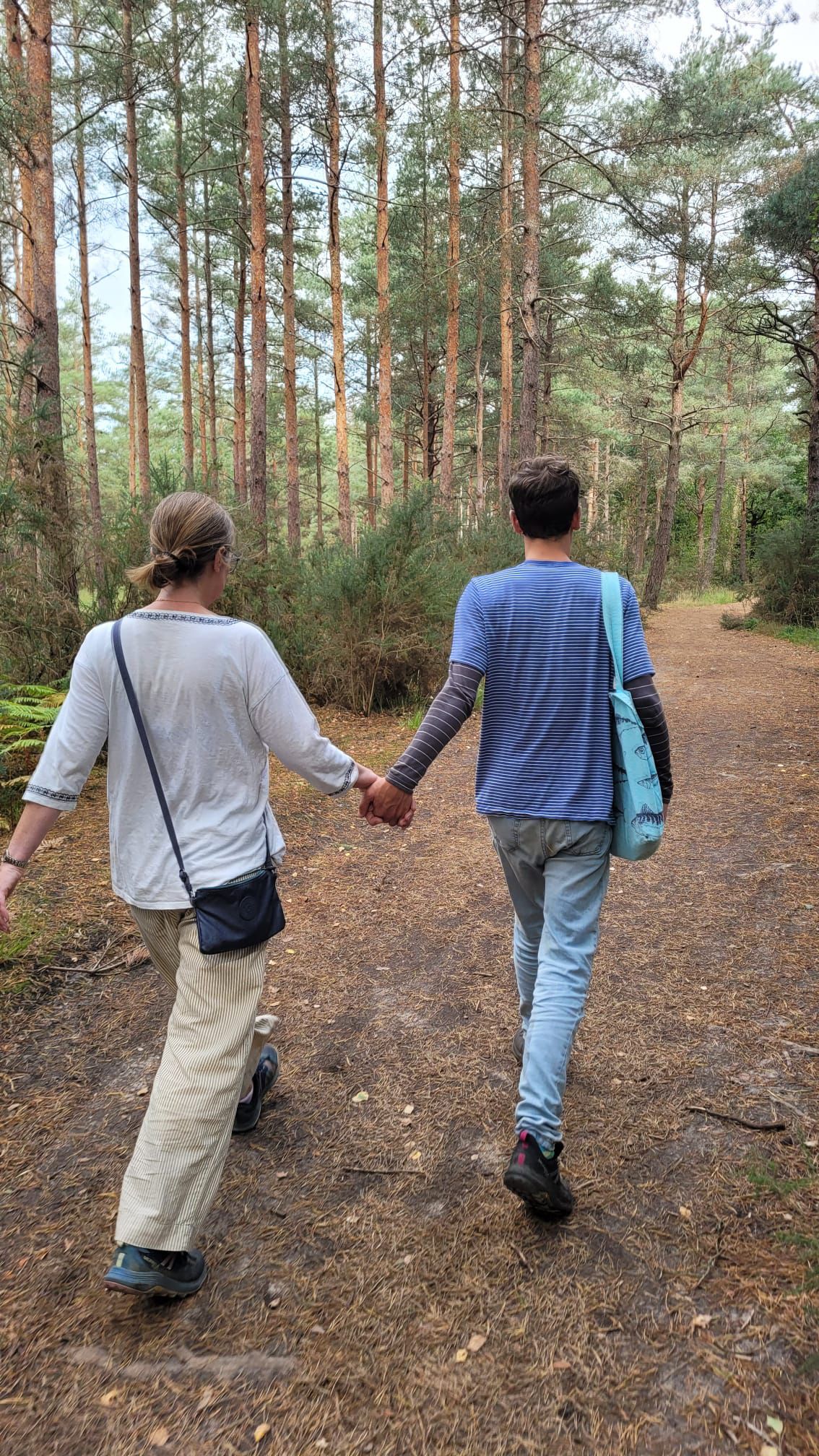
Many of us have a complicated relationship with moving our bodies and exercise.
We know that exercise is good for us. We may even remember how much better we feel afterwards: a lift in mood, more energy, less stiffness and a greater sense of wellbeing.
And yet, somehow, we just can’t get ourselves to do it!
Our internal “Team Exercise” might clamour loudly for us to get moving. Come on! You know you’ll feel better! Just get out there and do it!
But other parts of us seem equally determined to keep us exactly where we are.
So what’s going on? And how might we bring some Self-leadership to our relationship with exercise, so that all our parts feel heard, honoured and safe?
The Parts of Us That Say NO to Exercise
There can be many reasons why parts of us refuse to exercise.
Perhaps they believe that exercise means going to the gym (which they hate!), getting sweaty and out of breath (which they find frightening), or pushing themselves beyond their limits.
They may not realise that Other Options Are Available!
Gentle yoga, dancing in the kitchen, walking in the woods or practising T’ai Chi might feel very different.
After lockdown, I remember talking to a sports coach who was noticing that many children were struggling with physical exercise. Having moved so little during lockdown, some had become alarmed by the unfamiliar sensations of running: their hearts beating faster, their breathing becoming heavier and their muscles working hard.
Sensations that might once have felt quite ordinary had begun to feel uncomfortable or even frightening.
Their capacity to tolerate these sensations seemed to have narrowed.
And of course, adults can have these young parts too. Parts that raise all kinds of alarm bells when we stretch ourselves, physically or emotionally.
Perhaps you recognise some of these voices:
- “Last time we did this, we got hurt. I’m not letting that happen again.”
- “It’s safer to stay still and quiet.”
- “What if we use up all our energy and have nothing left for the rest of the day?”
- “I don’t want to feel that uncomfortable again.”
- “What if we can’t keep up with everyone else?”
Some of these parts may carry memories of injury, exhaustion, shame or being pushed too hard. Others may simply be trying to protect us from sensations that feel unfamiliar or overwhelming.
All of these parts have good reasons for trying to take exercise off the table.
In Internal Family Systems (IFS), we hold that All Parts Are Welcome, and that even the parts whose behaviour frustrates us are trying to help in some way.
Of course, our enthusiastic Team Exercise might absolutely hate these reluctant parts!
And this can create an internal polarisation: one team pushing us to get moving, while another digs its heels in and refuses.
The harder one side pushes, the harder the other may resist.
What if, instead of trying to win this internal battle, we became curious about it?
Try This: Listening to the Parts That Don’t Want to Exercise
Find a comfortable place to sit and, if it feels right, close your eyes or soften your gaze.
Take a gentle breath and notice what’s happening inside.
See if you can ask your Team Exercise to relax for a few minutes. Let them know that you’re not giving up on exercise; you simply want to understand the parts that are finding it difficult.
If they’re willing, invite the parts that resist exercise to come forward.
You might imagine pulling up some chairs around a table and welcoming them to sit with you.
Let them know that you’ve heard they have good intentions, and that you’re curious about how they’re trying to help.
You might gently ask:
- How did you come to take on this job?
- Is there something you’re remembering or trying to protect me from?
- How old do you feel?
- What are you afraid might happen if you didn’t stop me exercising?
- Is there anything else you’d like me to know?
And then, rather than trying to work out the answers, just listen.
Perhaps a memory will come, or an image, a sensation or a belief. Perhaps you’ll simply have a sense of what this part wants you to understand.
There’s no need to force anything, and if something feels overwhelming, you can pause and return your attention to the room around you.
The important thing is that these parts begin to experience something different: instead of being criticised, overridden or pushed aside, they are being listened to with curiosity and compassion.
What Happens When Our Parts Feel Heard?
IFS is sometimes described as a constraint-release model.
The idea is that when we understand the protective roles our parts have taken on, and bring compassion and curiosity to the fears beneath them, they may begin to relax.
They no longer have to work quite so hard to keep us safe.
And as these constraints soften, more of our natural Self-energy becomes available to lead our internal system.
Perhaps Team Exercise no longer needs to shout quite so loudly. Perhaps the reluctant parts begin to trust that they won’t be pushed beyond their limits.
And perhaps, together, they can discover a different relationship with movement.
One that includes pleasure, choice, gentleness and respect for what our bodies need.
What if exercise didn’t have to be something we make ourselves do, but something our parts could gradually feel safe enough to enjoy?
If you recognise this inner struggle and would like to explore what your parts might be trying to tell you, I warmly invite you to get in touch. I’d love to hear from you.
Book a Consultation
It’s easy and free!
Carolyn Baynes
Carolyn Baynes is an Internal Family Systems (IFS) therapist based in Farnham, Surrey. Drawing on her experience in education, mindfulness and therapeutic practice, she offers compassionate support to parents, adults and young people, helping them understand their inner responses and find greater connection with themselves and others.