Healing from Trauma Doesn't Have to Be Traumatic Most of us are touched by traumatic events at some point in our lives. The sudden death of someone we love, an unexpected illness, a life-changing accident, or experiences in childhood that left us feeling frightened, alone or overwhelmed. When we are surrounded by love, safety and …


Healing from Trauma Doesn’t Have to Be Traumatic
Most of us are touched by traumatic events at some point in our lives. The sudden death of someone we love, an unexpected illness, a life-changing accident, or experiences in childhood that left us feeling frightened, alone or overwhelmed.
When we are surrounded by love, safety and care, our minds and bodies can often gradually process these experiences. The memory may remain painful, and we may continue to grieve what happened, but we can begin to recognise it as something that belongs to the past.
Sometimes, though, something different happens.
We carry traumatic experiences as though, for some part of us, they are still happening NOW!
We might know intellectually that the danger has passed, but our bodies and emotional responses seem to tell us otherwise. We may find ourselves reacting to situations with an intensity that surprises us, or repeating patterns of behaviour that we don’t fully understand.
How does IFS understand trauma?
Richard Schwartz, the founder of Internal Family Systems (IFS), talks about the Multiplicity of Mind: the idea that it is normal and natural for us to have different “parts” that carry roles and responsibilities in our lives.
For example, I have a parent part, a daughter part, a musician part, and many others.
Parts can travel in time, and sometimes they can get stuck in time.
A part of us that experienced something overwhelming many years ago may still be carrying the fear, shame, grief or loneliness of that experience. It may not yet know that the danger is over.
What I love about IFS therapy is that we can gently get to know these parts of ourselves, without forcing them to revisit experiences before they are ready.
Through compassionate witnessing, we can help a part feel heard, understood and cared for. Where once it may have been terribly alone with what happened, now it can begin to experience something different.
It doesn’t have to carry everything alone anymore.
Trauma healing that isn’t traumatic
One of the questions people understandably bring to trauma therapy is:
Will I have to relive everything that happened to me?
There is often a fear that healing will mean opening up painful memories and becoming overwhelmed all over again. The prospect can feel rather like approaching an unexploded bomb!
Fortunately, our understanding of trauma has developed enormously. We now recognise that trauma is not simply a memory stored in the mind. It can also affect our bodies, nervous systems, relationships and sense of safety.
As the saying goes, “the issues are in the tissues”.
What I particularly value about IFS is that we don’t have to rush towards the most painful material.
Instead, we bring curiosity and compassion to the parts of us that are carrying the experience, allowing them to reveal what they are holding at a pace that feels safe enough.
And something remarkable can happen.
Where a part was once alone with its fear or distress, it can now experience the compassionate presence of You.
Not another part trying to fix it, silence it or make it feel better, but the deeper presence that IFS calls the Self.
The Self is our capacity for curiosity, compassion, calmness and courage. It is from this place that we can begin to build a different relationship with our wounded parts.
With gentleness, patience and sometimes considerable courage, the unexploded mines in our minds can gradually become less threatening. We may begin to experience greater freedom and ease in our lives.
What’s in the way IS the way
I love this saying, often associated with Zen wisdom, and I think it applies beautifully to trauma healing.
Sometimes, just as we begin to approach something vulnerable in therapy, another part of us steps in.
Perhaps we suddenly change the subject, start intellectualising, feel sleepy, become distracted or find ourselves saying, “I don’t really want to go there.”
In some approaches, these responses might be understood as resistance or avoidance.
But in IFS we become curious.
What if the part that is getting in the way is actually trying to help us?
Perhaps it has spent years protecting us from feelings that once seemed unbearable. Perhaps it is worried that if we open the door to our pain, we will become overwhelmed.
Rather than pushing past these protective parts, we slow down and listen.
We discover that they often have very good reasons for doing what they do.
And when these parts feel understood, respected and reassured that we won’t overwhelm the system, something can begin to soften.
Behaviours that once seemed problematic may gradually become less necessary. We may discover more spaciousness, flexibility and kindness, both towards ourselves and towards the people around us.
How do we know if we are carrying trauma?
This is a question that brings many people to therapy.
Perhaps we struggle with sleep, eating, anxiety or relationships. Perhaps we find ourselves reacting strongly to things that other people seem to take in their stride.
Or perhaps there is a resigned part inside saying, “This is just how I am.”
Sometimes we have lived with these patterns for so long that we cannot imagine life being any different.
I find it hard enough to imagine a cold winter’s day when it’s very hot outside! Or to remember what feeling well is like when I have the flu.
How much harder might it be to imagine living without burdens we have carried for decades?
And this is where meeting with a therapist can be so helpful.
We don’t always know what is possible until we begin to experience something different.
We don’t have to do our healing alone
One of the most moving aspects of IFS therapy, for me, is witnessing the moment when someone begins to relate to a wounded part of themselves with genuine compassion rather than fear, frustration or shame.
Sometimes this happens very gently. A little more understanding. A little less self-criticism. A growing sense that something inside is finally being listened to.
Healing doesn’t have to be dramatic to be profound.
And it doesn’t have to happen all at once.
I am reminded of Jack Kornfield’s wonderfully memorable observation that the mind can be like a bad neighbourhood: you don’t want to go there alone!
Perhaps that’s one of the gifts of therapy. Having someone alongside us as we begin to explore the places within ourselves that have felt too frightening, painful or lonely to visit.
You don’t have to relive your trauma to begin healing from it. And you don’t have to make the journey alone.
If something in this article resonates with you, I warmly invite you to get in touch. We can explore whether IFS therapy might offer a gentle and compassionate way of getting to know the parts of you that are longing to be heard.
Book a Consultation
It’s easy and free!
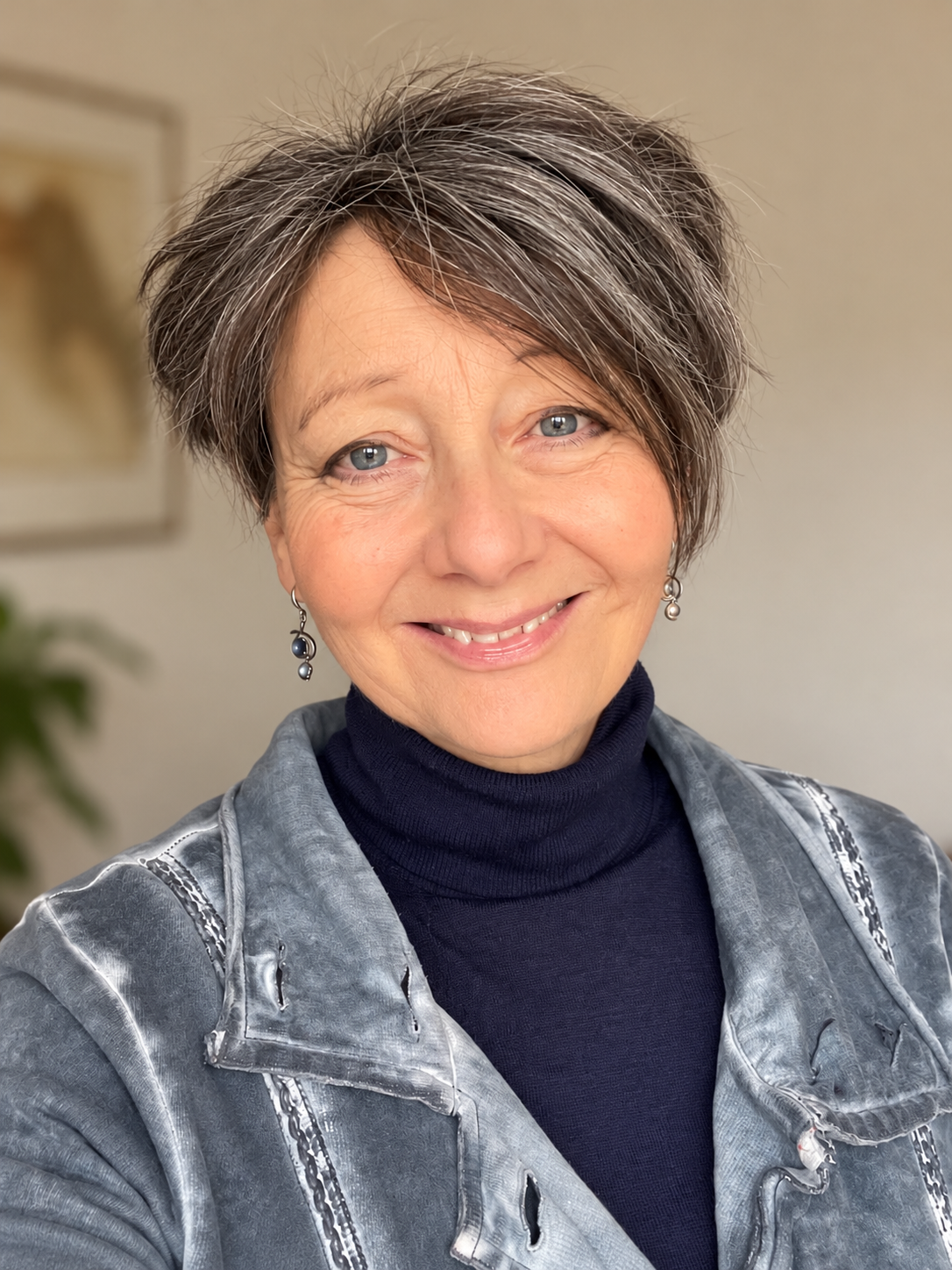
Carolyn Baynes
Carolyn Baynes is an Internal Family Systems (IFS) therapist based in Farnham, Surrey. Drawing on her experience in education, mindfulness and therapeutic practice, she offers compassionate support to parents, adults and young people, helping them understand their inner responses and find greater connection with themselves and others.